
I’ve been writing about cinematic and trailer music production for almost ten years now.
In that time, I’ve published more than 200 articles. I’ve reviewed hundreds of sample libraries, tested plugins and tools, spoken to developers, and watched the worlds of sample libraries, cinematic music and trailer music continue to expand, with new developers, new tools and new ideas constantly finding their way into the scene.
And somewhere along the way, I lost something.
Without really noticing, Epicomposer turned into a review machine. A new library would land, a review would follow, and over time it seemed that rhythm quietly became the entire identity of the site, even though reviews were only ever meant to be one part of it.
Meanwhile, my own curiosity about the art and craft of cinematic music kept growing. New instruments and sounds still fascinate me, but so do the artists behind them, the decisions that inspire a score, the weird happy accidents that make a piece of music unique. I had more questions than ever, but less and less room on the site to actually chase them.
So at some point I realized: if I wanted to keep Epicomposer going and enjoy doing it, something had to change.
TL;DR (Too Long; Didn’t Read)
In short: the site — and the shop — got a complete redesign: it’s become darker, quieter, built to be read as a journal instead of a news feed. Reviews aren’t disappearing, but they’re becoming more selective, reserved for things I’m genuinely excited about. In their place, expect more real studio life: session breakdowns, short journal entries, a new Finds & Signals format, and the occasional video. What’s important to me: I don’t want to adhere to a fixed schedule. New stuff goes up when there’s something worth saying, which is probably going to be twice a month. All 200+ existing articles are still here, just reorganized.
Now if you want the full story, the how and why behind all of this, keep reading below.
How this started
As some of you who’ve followed along for a while might know, Epicomposer didn’t start as a review site. I started the blog to become a better composer and to share what I was learning with other aspiring composers — and, if I’m honest, for a fairly selfish reason too: writing things down made them stick. Epicomposer was meant to be my public memory of sorts.
I’d been making music since I was a kid — bands, songwriting, production work for other artists — before diving into sync and trailer music, which came with the challenge of fitting full orchestras and increasingly specific sound worlds inside a computer. Sample libraries were part of the answer, but they were also expensive, and I couldn’t afford everything I wanted to explore.
So writing reviews was a practical solution. I got access to tools I could learn from; developers got an honest account from someone actually making music with their instruments. Those early reviews came out of real projects, too. I’d reach for a library because a cue needed something, figure out how it behaved inside an arrangement, then write about what I’d learned. Every review had a reason behind it, a problem to solve, a deadline, a choice to make. That’s how I originally wanted the review part of this site to work.
Times were changing
Over time, my composition work grew far beyond what I expected when I started the blog. The projects I had the fortune of working on got bigger, and my production company THVNDR became an increasingly central part of my daily work. That gave me more experience and perspective, but ironically, less time to actually write about it.
Somewhere in that transition, I realized that systematically testing every new tool that comes along isn’t necessarily the most useful thing I can offer. What’s more useful is the perspective of someone actually using these instruments to make real music that real people will hear, and there are only so many tools you can properly use and learn inside a given project. A sample library or (virtual) instrument behaves very differently when it has to solve an actual problem than when it’s reviewed in sterile isolation. And that’s exactly the kind of context I want to bring back.
„Epicomposer is becoming less an audio news and review platform and more the personal journal of a working composer and sound designer.”
What this site is becoming
First of all: Epicomposer isn’t becoming a completely different site. If anything, it’s becoming more personal, more selective, and hopefully more useful to you.
Reviews aren’t going away, but they’ll focus on products I’m genuinely curious about. Ideally, they’re going to be used inside an actual music project before I write about them, not just run through their features in isolation. A future review might care less about documenting every part of an interface, and more about whether the instrument actually adds something to a project, changes how I work, or gives me inspiration I wouldn’t have had otherwise.
Alongside that, you’ll see more of my day-to-day work as a media composer: observations from real sessions, from AAA projects to indie recording, including what happens when an idea doesn’t work, which is a much bigger part of being creative than it usually gets credit for.
There will be deeper pieces on the craft and business of cinematic music, built around specific decisions in specific circumstances rather than universal rules. There will be shorter journal entries for all my ideas and half-finished thoughts I come up with. And there’s a new format, Finds & Signals, for things I find worth pointing at. These could be a cool video I found, an inspiring album I listened to recently, a free plugin, an idea. Video may show up here and there too.
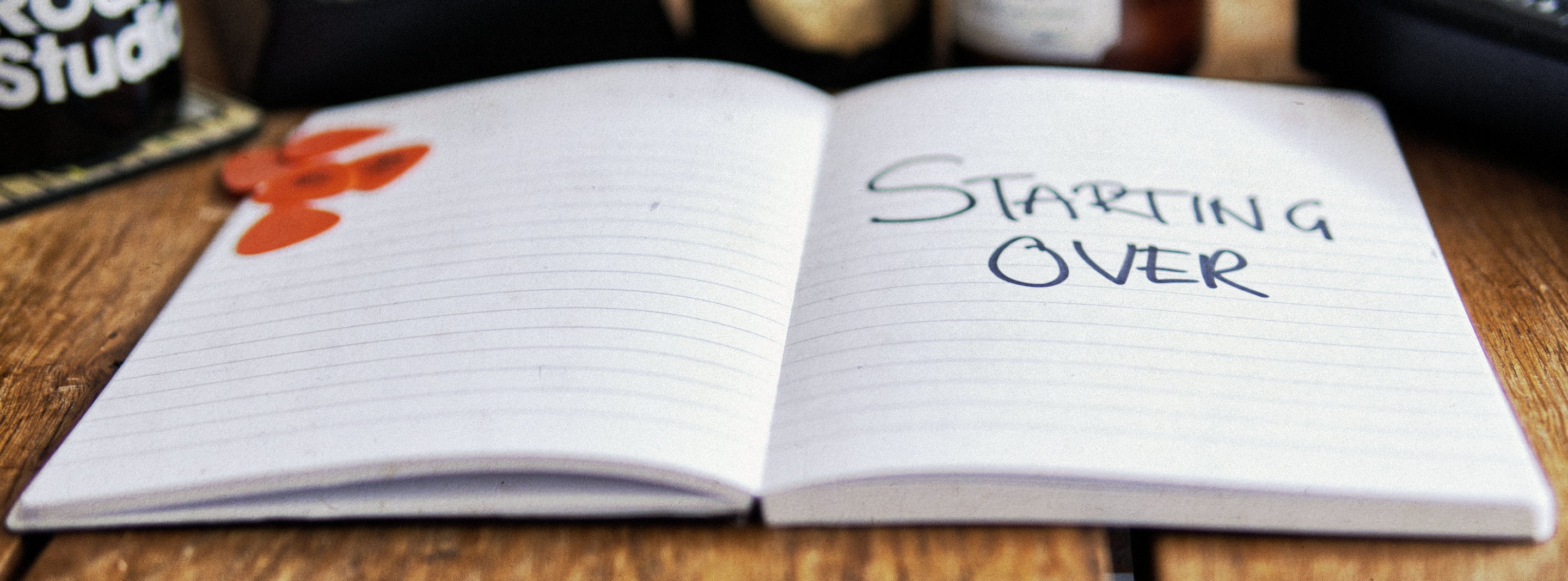
But the biggest change is one of perspective: Epicomposer is becoming less an audio news and review platform and more the personal journal of a working composer and sound designer.
Everything looks different now
If you’ve visited Epicomposer before, you’ve probably noticed that the site now looks very different. Over the last few months, I rebuilt it from the ground up, together with the Epicomposer shop.
Rest assured, nothing from the old site has disappeared. The complete archive of more than 200 articles is still here: reviews, guides, resources, all the things people reach through bookmarks and old links. You’ll find them in the archive. They’re simply reorganized and easier to find now.
What about the sample libraries?
It’s also been a while since I released a new Epicomposer sound pack or sample library. The main reason is simple: much of my time went into projects for THVNDR, and producing a new product properly takes a lot of it.
However, that doesn’t mean I stopped capturing sounds, though. I’ve kept recording unique instruments, running sampling sessions with amazing artists, and editing source material. Most of it is still sitting on hard drives while I figure out what it actually wants to become. A few exciting things are gradually taking shape in the background that I hope will eventually be worth releasing.
The existing instruments and sound packs haven’t gone anywhere. You’ll still find them in the rebuilt shop. I don’t want to announce anything before it’s ready, but future journal entries will show more of the process behind it: where an instrument begins, how a session gets planned, what survives editing and what doesn’t. Keep an eye on the Journal if you’re curious what happens before something makes it to the shop.
Outside the blog
I admit I haven’t been particularly active with Epicomposer on social media for a long time. Posting random things just to stay visible on social media never felt especially useful to me.
What’s changed is that I have a clearer idea now of what it could be for. Sometimes the most interesting thing is a screenshot from a session, a short experiment, a sound from a current project, or a piece of music more people should hear. So social media will see material that complements the blog instead of repeating it in miniature.
You can follow @Epicomposer on Instagram for work in progress and smaller discoveries, and on YouTube for walkthroughs and longer production videos.
(If you want the longer version of who’s behind all this, the About page has it.)
If you’re building something
I’m still very much interested in hearing from developers, artists, and composers. If you’re building something genuinely interesting, experimenting with sound in a unique way, or making music you think I should hear, the contact form is the best way to reach me.